


Unsnarling the Grid: Economic Imperatives for Utility Infrastructure Modernization
Posted on 2/6/26
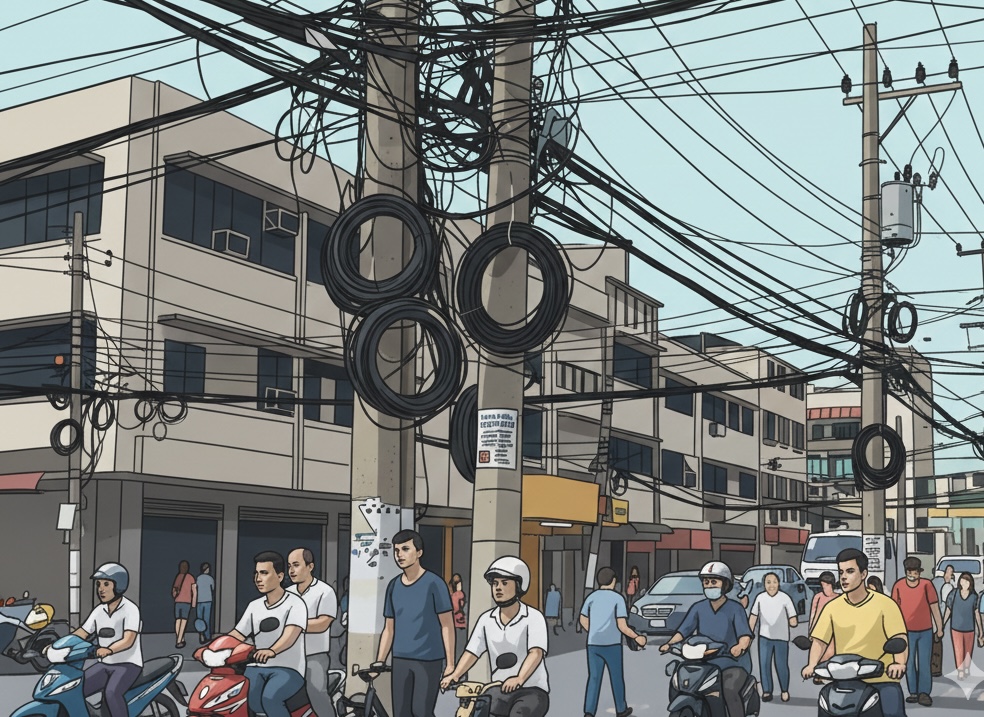



Across urban centers and burgeoning towns in the Philippines, a familiar sight dominates the skyline: a dense, often chaotic, network of overhead utility lines. Colloquially dubbed "spaghetti wires," these tangled masses are more than just an aesthetic distraction; they represent a multifaceted challenge impacting public safety, operational efficiency for utility providers, and the overall economic landscape. Addressing this pervasive infrastructure issue is becoming increasingly critical for sustainable development and attracting further investment into the nation's vital sectors.
The visual disorder caused by these interconnected wires, carrying electricity, communication, and other services, often obscures the potential dangers lurking within. Beyond being an eyesore, the sheer volume and disorganization of these lines increase the risk of accidents, including fire hazards, electrocution, and service interruptions during natural calamities. This vulnerability undermines urban resilience and public confidence, signaling an urgent need for more robust and orderly infrastructure solutions that prioritize both aesthetics and safety.
A significant economic drain associated with these unwieldy overhead systems is the heightened vulnerability to power theft. The ease with which unauthorized connections can be made within a dense and unregulated wire network contributes significantly to non-technical losses for power distribution utilities. These losses translate directly into reduced revenues for utility companies, often necessitating higher tariffs for legitimate consumers to compensate for the lost income, thereby impacting household budgets and business operating costs across the archipelago.
The financial implications extend beyond direct revenue loss. The continuous struggle against power theft diverts valuable resources from utility providers that could otherwise be allocated to network upgrades, maintenance, and service improvements. This perpetuates a cycle of underinvestment in crucial infrastructure, hindering the modernization of the energy grid. For investors, this scenario introduces an element of uncertainty regarding the profitability and long-term viability of utility assets, influencing strategic decisions and market valuations.
Recognizing these challenges, there is a growing impetus for modernizing the Philippines' utility infrastructure. Solutions such as underground cabling, which has already seen limited implementation in some upscale business districts and residential areas, offer compelling advantages. Beyond enhancing urban aesthetics, underground systems significantly improve public safety, reduce exposure to natural elements, and drastically curtail opportunities for illegal tapping, leading to more reliable and secure power distribution for all stakeholders.
Such large-scale infrastructure overhauls, however, come with substantial investment requirements and operational complexities. They present significant opportunities for engineering and construction firms, technology providers specializing in smart grid solutions, and financial institutions willing to fund long-term projects. Navigating regulatory frameworks and securing multi-stakeholder collaboration – involving local government units, utility companies, and the private sector – will be crucial to successfully transitioning from current overhead systems to more resilient, modern infrastructure.
Ultimately, the modernization of the Philippines' utility grid transcends mere cable management; it is an investment in the nation’s future economic competitiveness and social well-being. By proactively addressing the challenges posed by antiquated overhead systems, the country can foster a safer, more reliable, and economically efficient environment. This strategic shift will not only improve the quality of life for its citizens but also enhance the attractiveness of the Philippines as a destination for sustained domestic and foreign investment, driving long-term growth and stability.


Related: