


The Philippines' Economic Trajectory: Beyond Resilience Towards a Defined Future
Posted on 2/1/26
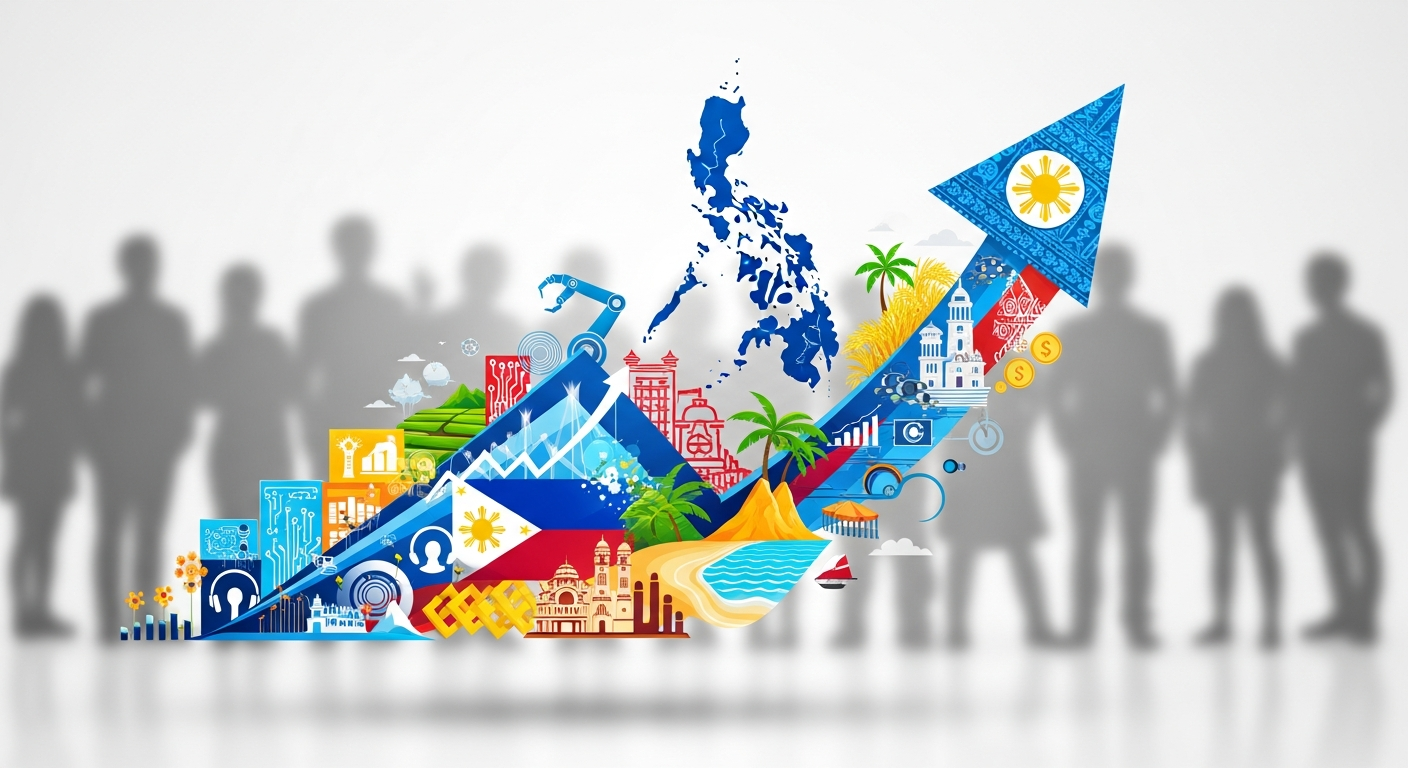



The Philippines continues to navigate a complex path towards sustained economic growth, often lauded for its macroeconomic stability and demographic dividends. However, beneath the surface of promising GDP figures and bustling investment activities lies a deeper national discourse concerning identity, purpose, and the very direction of its progress. This introspection, articulated by the everyday Filipino citizen, forms an unseen undercurrent that profoundly influences long-term economic stability, policy coherence, and ultimately, investor confidence. Understanding these societal concerns is paramount for stakeholders aiming to build a truly resilient and prosperous nation.
For centuries, the archipelago's identity has been shaped by successive waves of colonial influence, leaving an indelible mark on its social, political, and economic structures. While a century has passed since formal independence, the lingering effects of external frameworks continue to challenge the articulation of a distinct national economic identity. This historical legacy often surfaces in discussions about trade policies, investment priorities, and even consumer preferences, raising questions about whether the nation is leveraging its unique strengths or merely adapting foreign models in its pursuit of global competitiveness.
As the Philippines strives to keep pace with the rapid advancements of the global economy, a tension emerges between economic pragmatism and cultural preservation. The drive for modernization often entails adopting global standards and practices, which, while beneficial for integration into international value chains, can inadvertently dilute local traditions and unique value propositions. For businesses, this presents a dilemma: how to innovate and expand while authentically reflecting Filipino distinctiveness, thereby creating unique market advantages rather than simply being a derivative of Western or regional trends.
A recurring concern among citizens is whether the fruits of economic progress are truly inclusive. Disparities in wealth distribution and access to opportunities can undermine social cohesion, impact domestic consumption, and introduce risks to long-term stability. Furthermore, as taxpayers, citizens increasingly demand visible returns on their contributions through efficient public services and transparent governance. A robust, ethical, and accountable governance framework is not merely a social demand; it is a fundamental pillar for attracting and retaining sustainable investments, ensuring predictable regulatory environments, and fostering a level playing field for all economic actors.
While the Filipino spirit of "resilience" is often celebrated, particularly in the face of adversity, true national advancement requires more than just the ability to recover. It demands a proactive, clearly defined strategic vision that transcends short-term cycles. For the business community, this translates into the need for coherent long-term economic policies, infrastructure development plans, and human capital strategies that are consistently pursued regardless of political shifts. This strategic clarity is essential for guiding capital allocation, fostering innovation, and building durable competitive advantages in key sectors.
The path forward involves a deliberate effort to cultivate and leverage a distinct Philippine economic identity. This entails recognizing and investing in sectors where the nation holds inherent competitive advantages, whether it's in creative industries, niche agricultural products, specialized services, or its strategic location within Asian trade routes. Moving beyond a reliance on merely providing skilled labor, the focus must shift towards fostering innovation, developing proprietary technologies, and building strong global brands that embody Filipino creativity and quality, thus commanding higher value in the international market.
Ultimately, forging a prosperous and equitable future necessitates the active participation of all stakeholders. The "voice of every Watawat" underscores the importance of inclusive policymaking, where insights from various societal segments — from entrepreneurs and laborers to educators and civil society — are integrated into the national economic agenda. This collaborative approach fosters a sense of shared ownership, strengthens public-private partnerships, and builds the collective commitment required to overcome challenges and steer the Philippines towards a future where its economic success is not only robust but also authentically Filipino and universally beneficial.

Related: